


COP 30: Food Systems Elevated but Little Progress on Agriculture Negotiations
It’s been two months since the United Nations Framework Convention on Climate Change’s (UNFCCC) 30th Conference of the Parties (COP30) at the Hangar Convention Centre in Belém, Brazil. Expectations had been high ahead of COP 30, as the Brazilian Presidency had positioned food and agriculture as one of the six axes of its Action Agenda and a priority area of investment in the Baku-to-Belem Roadmap. Despite the recognition and increased elevation of food systems during COP, the Global Mutirão - one key text within the Belém Package agreed to by all 195 participating countries - contained no reference to agriculture or food systems.
By Bob Aston, Arid Lands Information Network (ALIN), baston@alin.net
Published January 2026
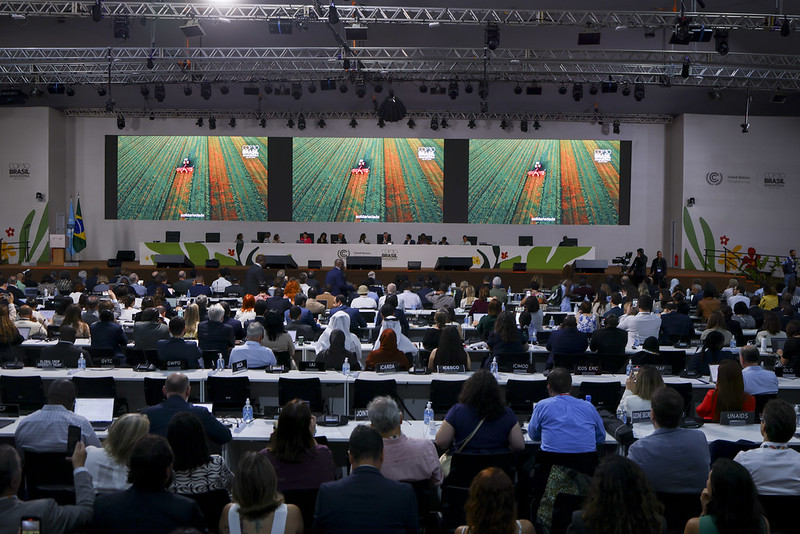
At COP30, the main points of discussion on agriculture and food systems for countries were a consideration of the outcomes of a workshop on “systemic and holistic approaches” to implementing climate action on food and agriculture, as well as countries weighing in on a special forum of the standing committee on finance (SCF) on financing for sustainable food systems and agriculture. This was to ensure that they are captured in the formal Sharm el-Sheikh Joint Work on Implementation of Climate Action on Agriculture and Food Security (SJWA) decision.
Discussions on SJWA were limited to three days in the first week. Substantial issues, such as the outcomes of the first workshop during SB 62, remained bracketed due to divergent views on “holistic approaches” to climate action in food and agriculture. Some nations felt that precision agriculture, artificial intelligence and carbon offsetting, among others, are not systemic and holistic approaches and thus should not be part of the workshop outcome.
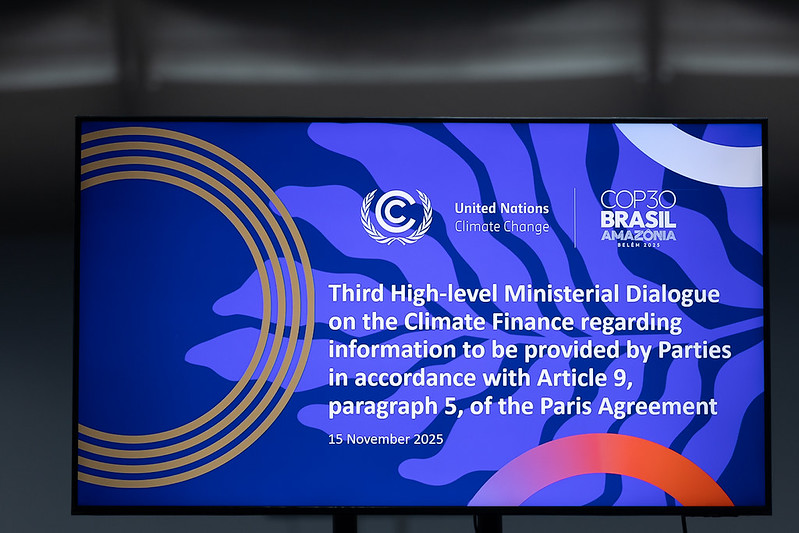
Another thorny issue was the proposal to include “means of implementation”- shorthand for finance added to the text and the call to remove reference to Article 9.1, which calls on developed Countries to provide financial resources to assist developing country Parties with respect to both mitigation and adaptation in continuation of their existing obligations under the Convention. Key issues such as expanding access to climate and adaptation finance for agriculture, as well as ensuring that countries meaningfully integrate agriculture into their Nationally Determined Contributions (NDCs) and National Adaptation Plans (NAPs), remained bracketed due to a lack of consensus.
The SJWA text will now be taken up during the Subsidiary Bodies (SB 64) meetings in Bonn, Germany, from 8th to 18th June 2026.
SJWA is the only formal process through which agriculture and food are included in the UNFCCC. This four-year implementation work was agreed upon during COP27 in Sharm El-Sheikh, Egypt. The SJWA builds on the outcomes of the Koronivia Joint Work on Agriculture (KJWA), established at COP23 in 2017 as a landmark process to advance discussions on agriculture within the UNFCCC. COP 31 in Antalya, Turkiye, will be the final one for the SJWA.
By 31st December 2025, Countries and other relevant organisations will be invited to submit information via the Sharm el-Sheikh online portal to assist with preparing the next annual synthesis report on activities related to SJWA.
Despite COP30 ending without a substantive outcome for the SJWA, there was a lot of positive progress on food systems financing and other Agenda items. The Just Transition Work Programme acknowledged the importance of involving “rural economy actors, especially smallholder farmers,” in designing pathways that contribute to “decent work, quality jobs and food production”, while the Global Goal on Adaptation adopted some indicators on climate-resilient food systems.
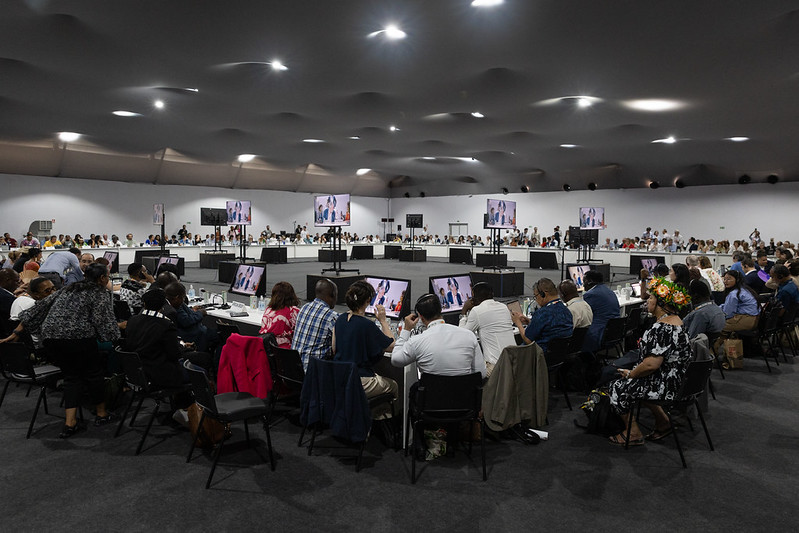
Similarly, during the Belém Climate Summit, leaders from 43 countries and the European Union signed the Belém Declaration on Hunger, Poverty, and People-Centred Climate Action. The Declaration commits nations to work to scale up the share of climate finance from all sources to reach directly smallholder farmers, small-scale agri-food enterprises, cooperatives, fisherfolk, workers associations, and other small-scale producers involved in primary production and domestic food and bio-based product processing and trade.
It also establishes eight measurable goals across key intervention areas and calls on specialised UN agencies and the international community to track progress through a Solutions Acceleration Plan (PAS), integrated into COP30’s Action Agenda. The Declaration elaborates on key principles of the Emirates Declaration on Sustainable Agriculture, Resilient Food Systems and Climate Action, which committed to integrating food and agriculture into NDCs and NAPs and to show real progress in future COP cycles.
Another major accomplishment was the launch of financing for mitigation and adaptation in the agri-food sector. This includes financing cropland degradation reversal, agroecology and agroforestry, among others. Some of the initiatives include Resilient Agriculture Investment for net Zero land degradation (RAIZ) Accelerator; Together for the Expansion of Resilient and Restorative Agroforestry and Agroecology (TERRA); and Tropical Forest Forever Facility (TFFF).
COP 30 also saw the launch of a report titled Agrifood Systems in National Adaptation Plans: An analysis. It is the first comprehensive study of its kind to examine the agrifood component of National Adaptation Plans (NAPs). The report finds that agrifood systems are universal priorities in the NAPs, with countries making concerted efforts to prioritise adaptation actions across the main agricultural subsectors (crops, livestock, forestry, fisheries and aquaculture).
However, gaps and barriers remain in turning the plans into concrete action. The report finds that agrifood systems account for more than half of adaptation finance needs in developing countries, yet receive only 20 per cent of global adaptation funding – or just 1 per cent of total climate finance.
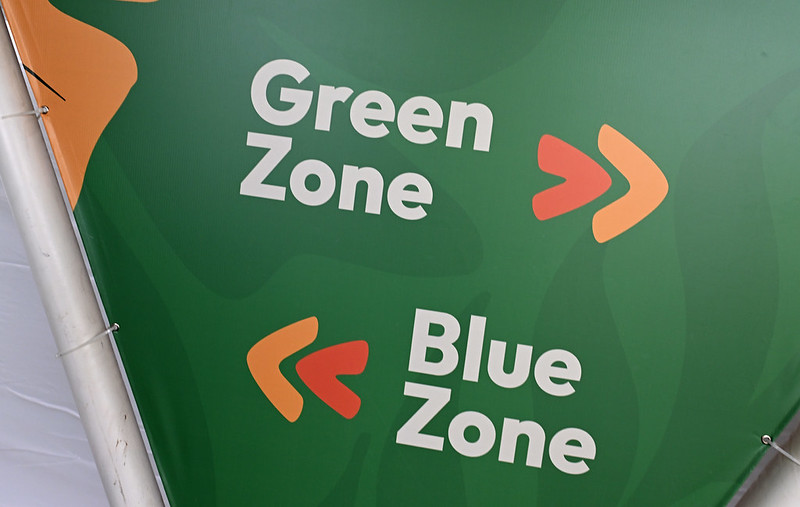
COP 30 also managed to elevate farmers’ voices. Operations for COP30 mobilised farmers from across Brazil, with particular emphasis on producers from the Amazon. Brazil’s National Supply Company (Conab) invested R$ 1.3 million in the purchase of 146 tons of food through the Food Acquisition Program (PAA), becoming responsible for 100% of the meals at the People’s Summit and coordinating the participation of cooperatives to ensure at least 30% of the food served in official COP areas — the Blue Zone and the Green Zone.
As the focus now shifts to SB 64 in Bonn, Germany and then to COP 31 when the four year mandate of SJWA comes to an end, we are left with one positive aspect and that is the Belém Declaration on Hunger, Poverty, and People-Centered Climate Action is much more ambitions that the current agriculture and food systems negotiations as they carry more political weight as they were signed at ministerial level.


