


Strengthening Civil Society Engagement with Climate Funds in Africa
Across Africa, local communities are on the frontline of the climate crisis, but their ability to access and influence climate finance remains limited. A new synthesis report, Strengthening Civil Society Engagement with Climate Funds in Africa, sheds light on how civil society organisations (CSOs) in Kenya, Tunisia, and Zambia are navigating the complex architecture of major UNFCCC climate funds: the Green Climate Fund (GCF), the Global Environment Facility (GEF), and the Adaptation Fund (AF). Drawing on case studies from North, South and East Africa, the study explores how CSOs interact with these funds at national and international levels and assesses the effectiveness of applying existing engagement mechanisms.
Published 10 February 2026
The report reveals that despite policy commitments to inclusive participation, the Climate Funds’ engagement strategies are not fully localised or embedded in country-level operations. As a result, civil society is too often positioned as passive recipients of information rather than recognised as active partners, leaving them with limited substantive influence over the climate finance decisions that shape local priorities and investments.
 .
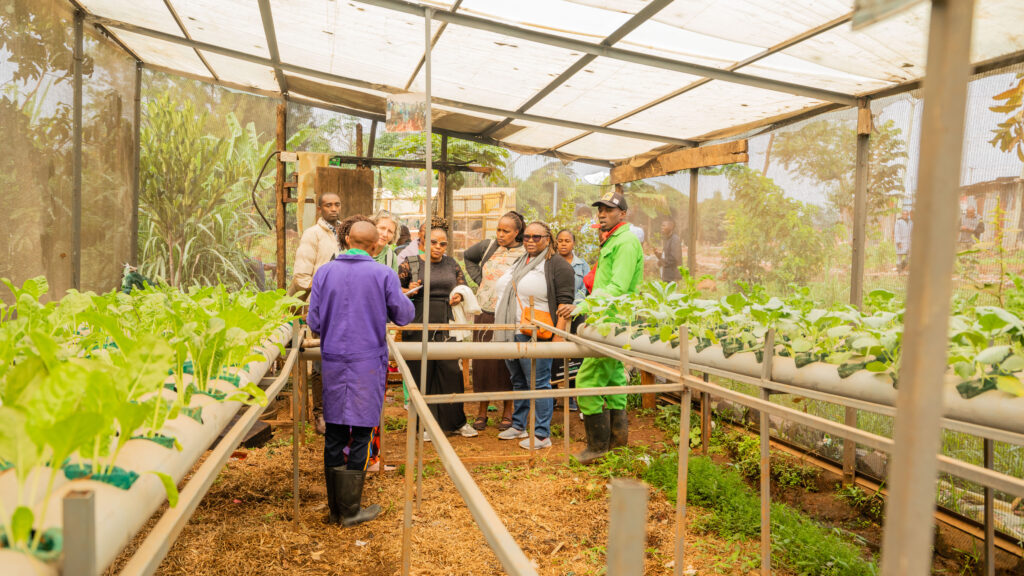
. 
Key barriers to meaningful engagement
The study identifies several systemic challenges hindering effective CSO participation:
- Limited institutional capacity within the national designated authorities and focal points.
- Fragmented CSO coordination makes it difficult to present a unified set of priorities.
- Weak communication channels between CSOs and national fund structures.
- Limited access to information and technical processes, especially for grassroots organisations.
- Insufficient feedback loops, which restrict CSOs from influencing project design and monitoring.
The report also identifies good practices, such as civil society representation on technical committees, capacity-building through readiness programmes, and localised engagement strategies, including the development of guidance documents and networks for engagement.
 .
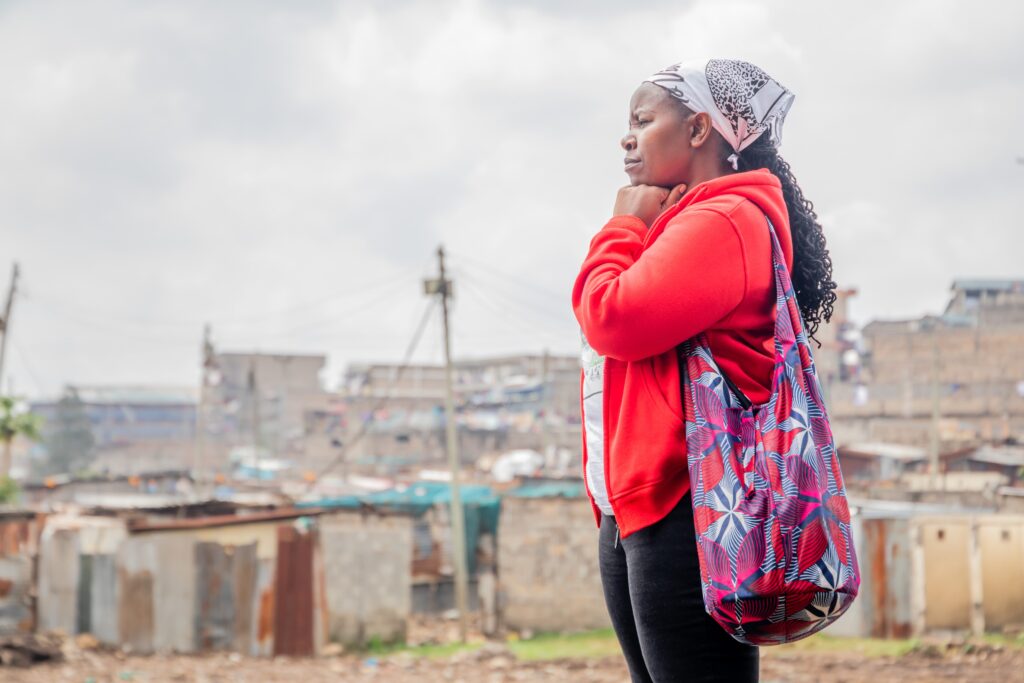
. 
What needs to change
To ensure climate finance becomes more inclusive, transparent, and responsive to local realities by enhancing CSO engagement, the report recommends:
-
- Localising stakeholder engagement strategies to reflect national contexts
-
- Strengthening institutional capacity for both fund coordinators and CSOs
-
- Embedding CSO participation across the entire project cycle
-
- Improving communication and knowledge-sharing platforms
-
- Supporting CSO networks, particularly in least developed countries, to engage at both national and international levels
Why this matters
Civil society plays a critical role in amplifying community priorities, ensuring accountability, and shaping climate solutions that reflect on-the-ground needs. When CSOs are meaningfully included, climate finance becomes not only more effective, but more just.
This report reinforces VCA’s commitment to elevating local voices and strengthening the enabling environment for equitable climate finance across Africa.
Contact info@southsouthnorth.org or tiffany@southsouthnorth.org for more info.


