


Reflections on the Tri-National Meeting
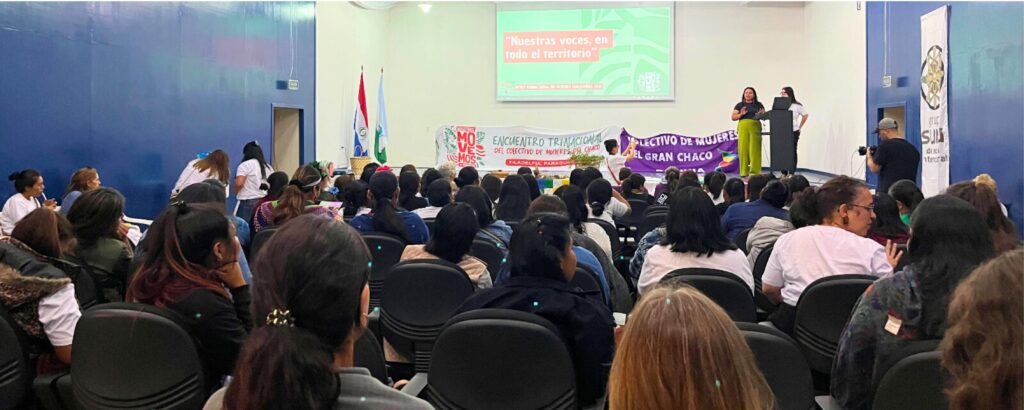
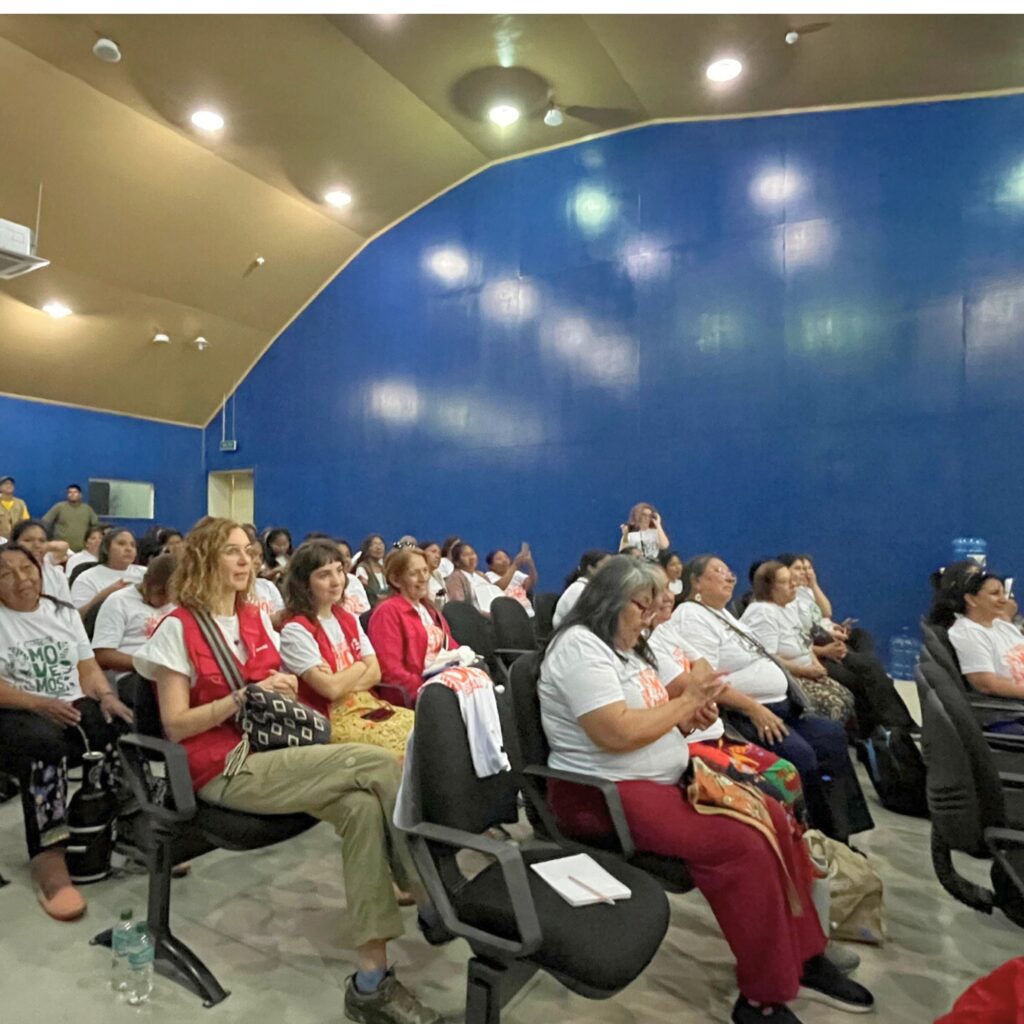
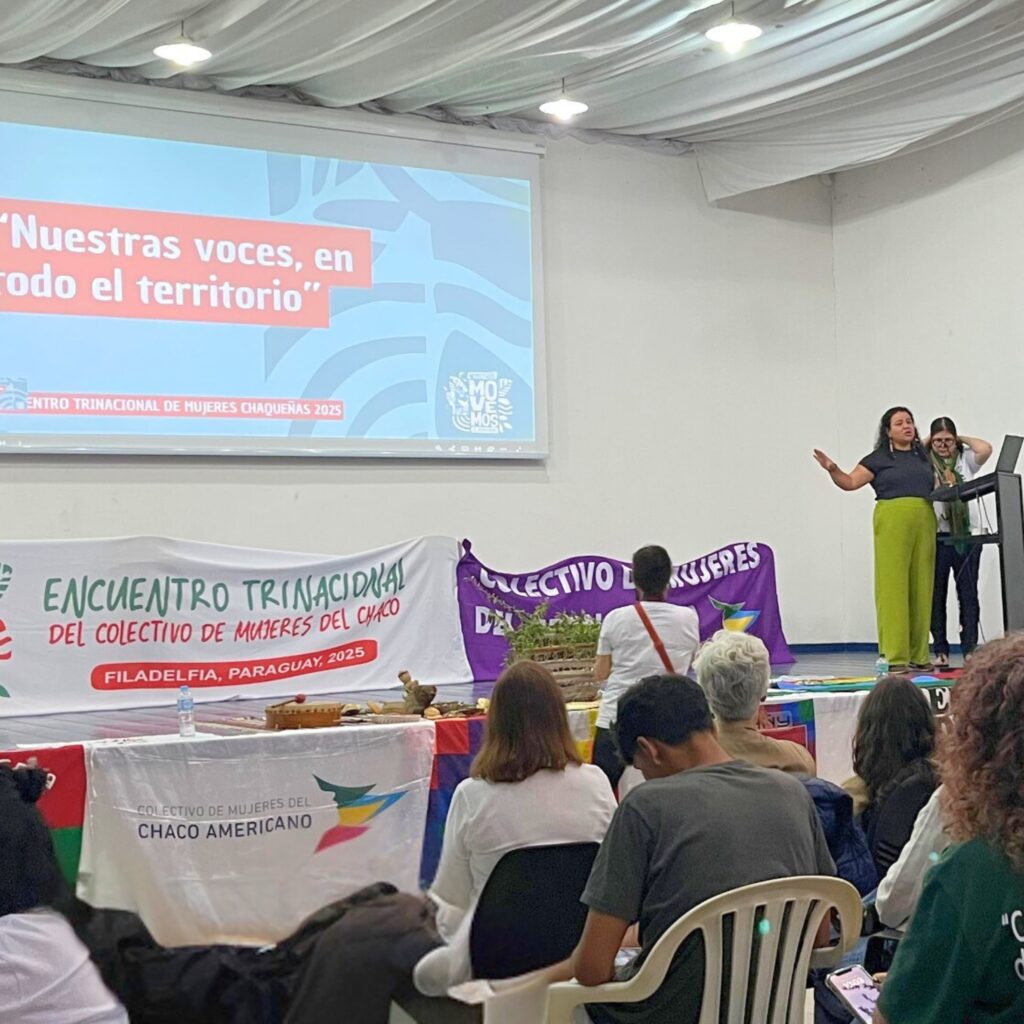
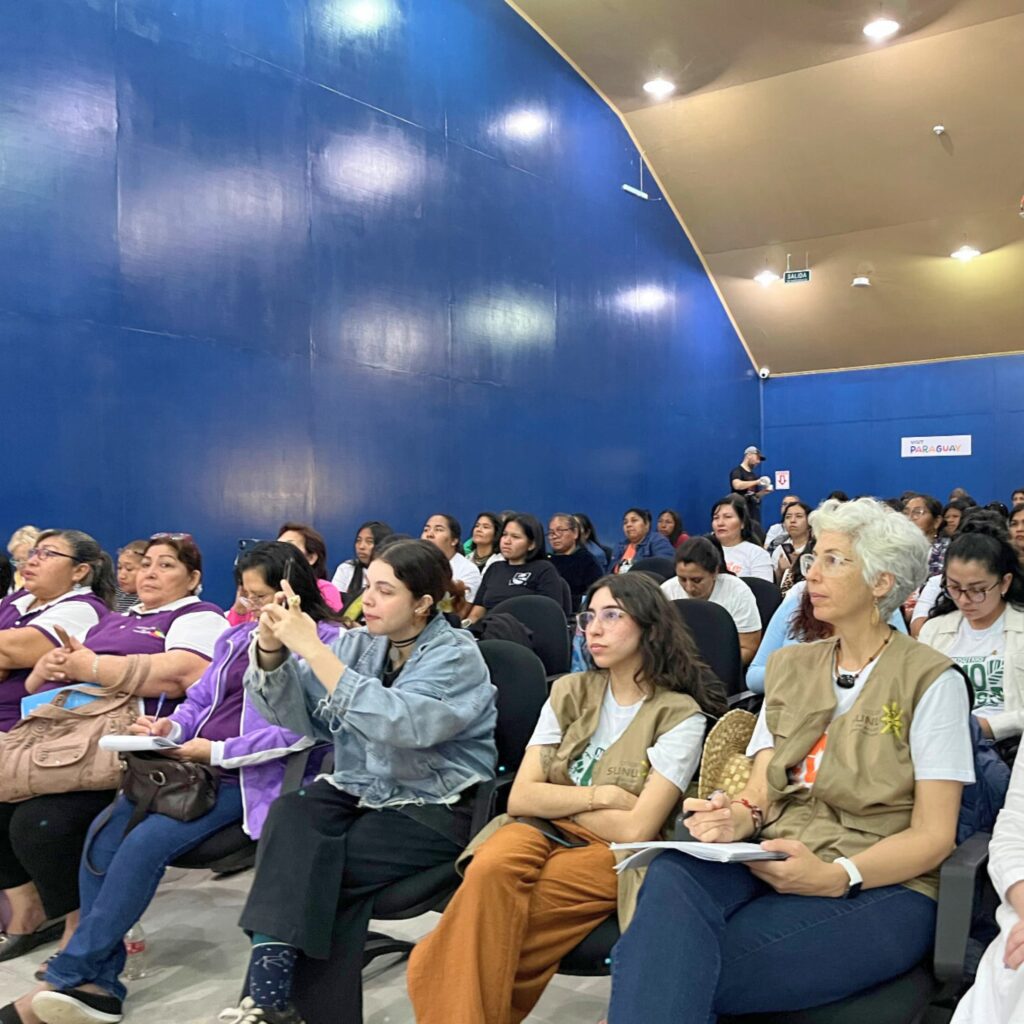
What an incredible experience to participate in the Trinational Meeting 2025 in Filadelfia, Paraguay! I arrived full of curiosity and a little nervous to be part of the meeting where a hundred Indigenous and farmer women from the Gran Chaco Americano (Argentina, Paraguay, Bolivia) came to share their stories, challenges, struggles, and unique wisdom from their communities.
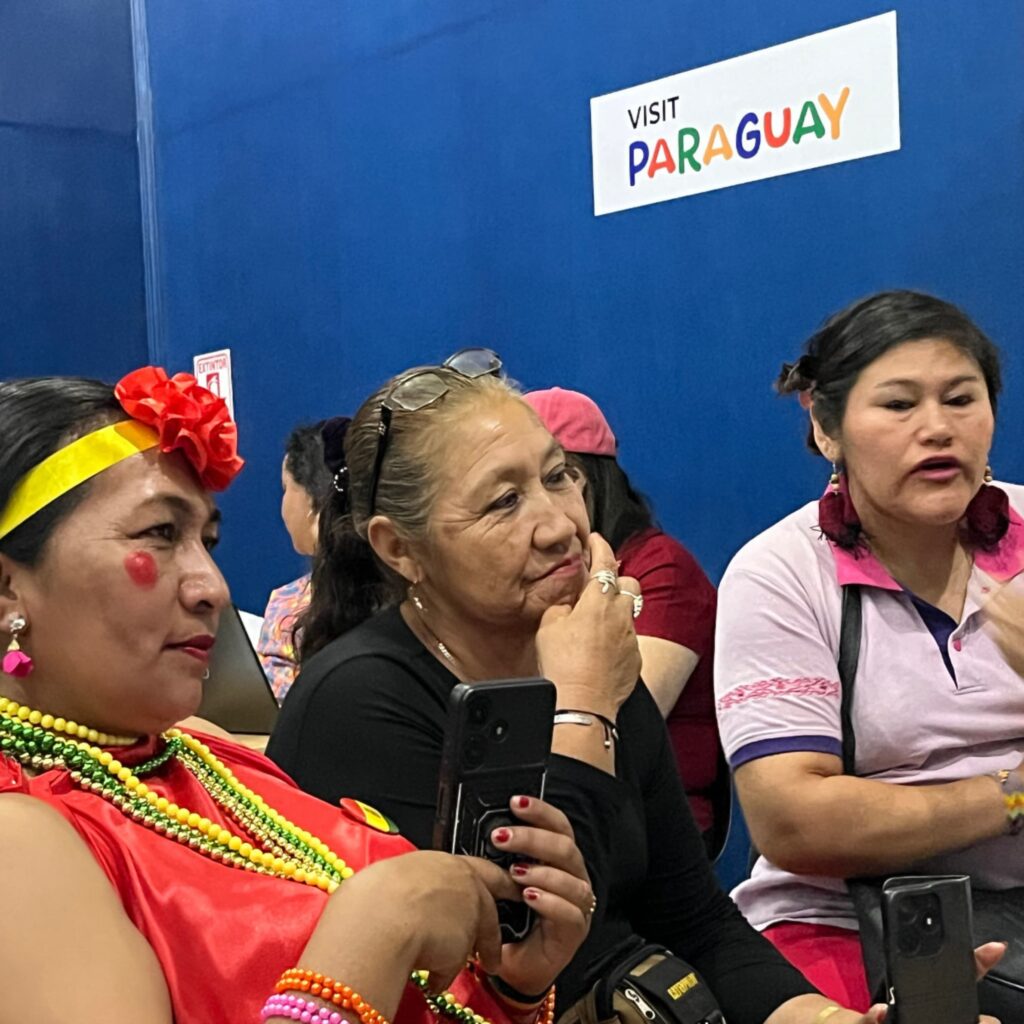
It was wonderful to see how networks were woven among so many diverse women. No matter where they came from, they all shared a passion for caring for our land and defending our rights. The dialogues were rich, and I felt that their voices, which are sometimes silenced, resonated strongly.
Thematic Tables and Proposals
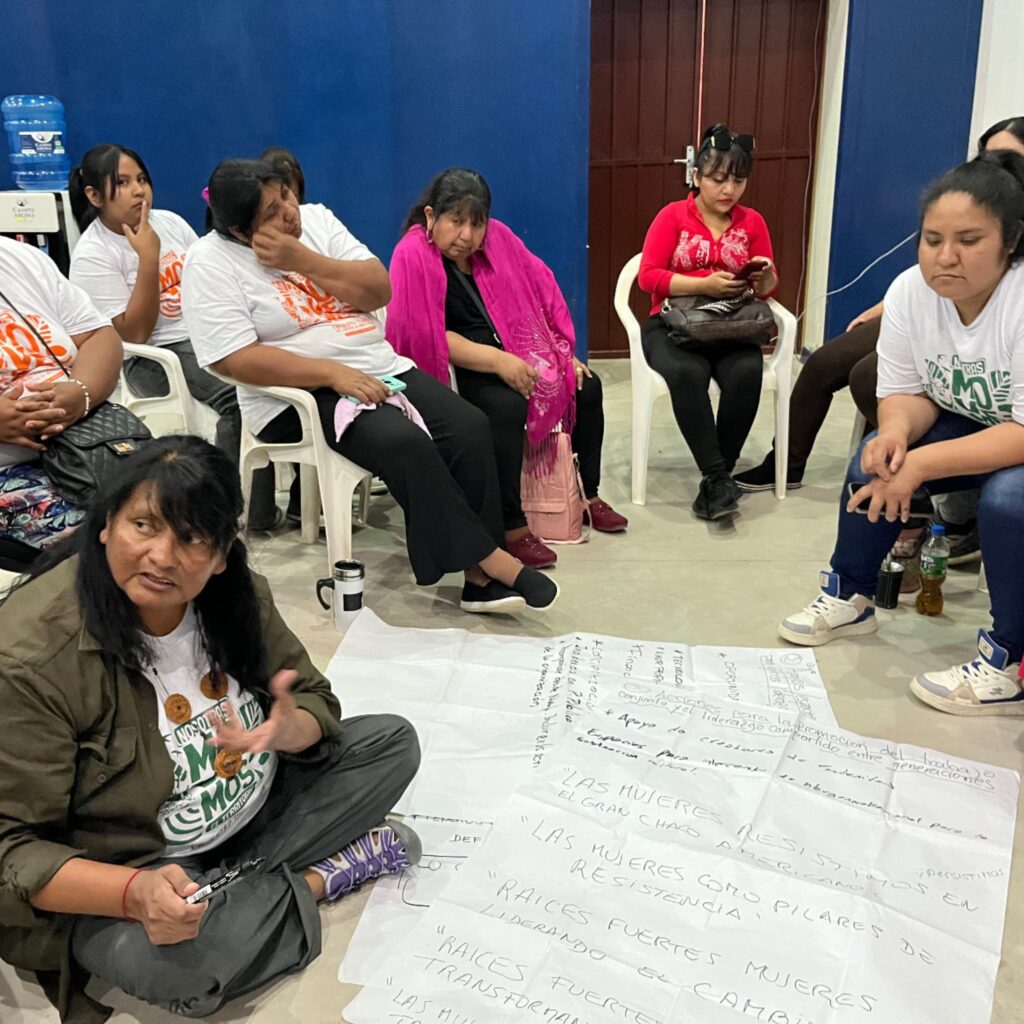
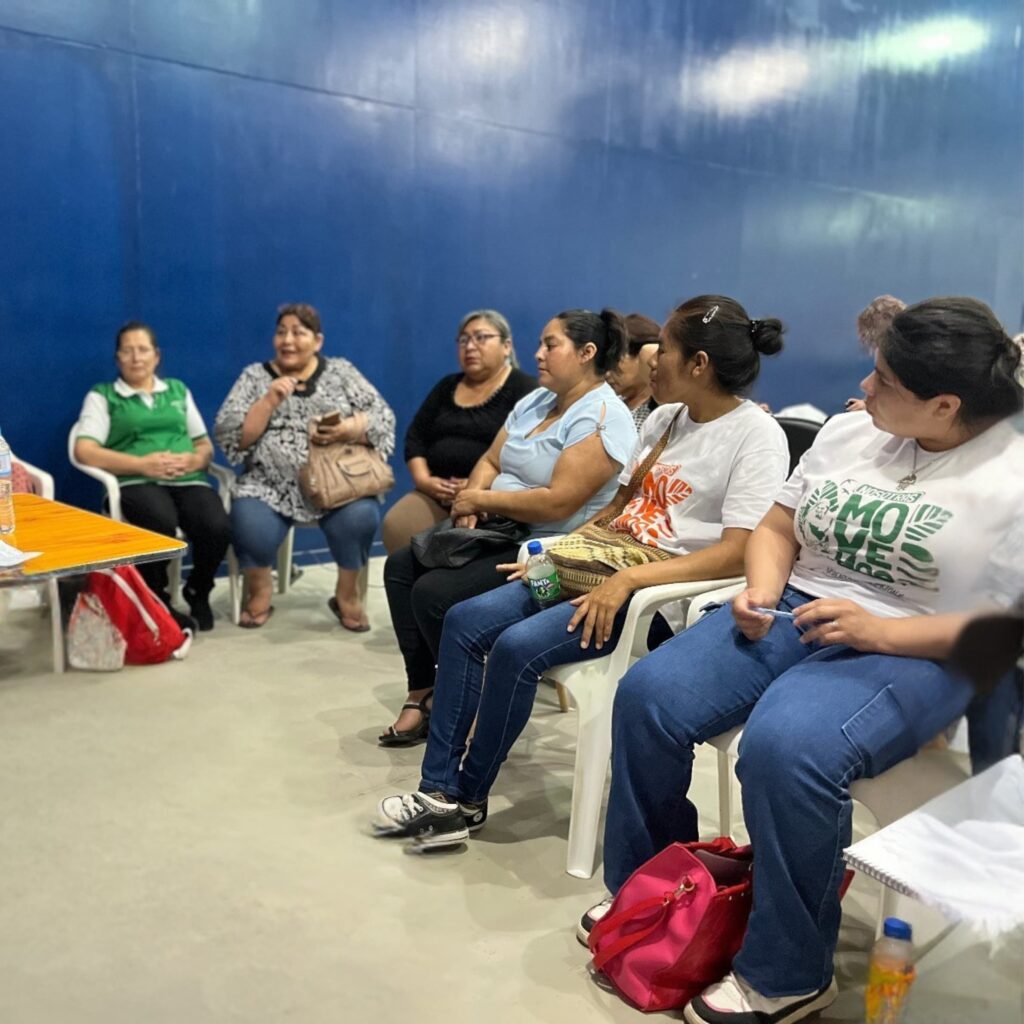
The meeting was not just for “talking”, it was for building! I participated in several thematic tables, and it was very intense. The topics were extremely important and closely related to the reality of women:
- We discussed the importance of land to life and culture.
- We thought about ways to create opportunities and empower young women.
- We shared how the Chaco is being impacted by climate change and what can be done.
- We reaffirmed women’s leadership and discussed our role in decision-making.
- We talked about how care and a life free of violence are fundamental for moving forward.
All with a view to building concrete proposals that would lead to other important spaces, such as the World Meeting of the American Chaco (EMCHA) and COP 30.
A Sense of Collective Strength
The closing ceremony was very emotional. Amidst songs, ceremonies, and hugs, I realised the immense power of women coming together. The slogan “We move the territory” ceased to be just a nice phrase and became a palpable truth.
Thanks to EMANCIPA‘s communication work, which played a fundamental role in implementation, it was clear that simply gathering and debating was not enough; every action, proposal, and achievement needed to be communicated clearly and simply. This effort ensured that the work we did at the meeting and the voices of the women of the Gran Chaco Americano were heard far beyond Filadelfia. Strategic communication transformed the project from a single event into a powerful story of struggle and hope.
Empathy and language
Within the EMANCIPA team, I want to highlight one key person: Mónica Bareiro. Her work was absolutely fundamental in achieving the active and sincere participation of all the women.
Monica had a very approachable and straightforward way of working. She dedicated herself to truly listening, understanding needs, and building trust. Most powerfully, Monica used the Guaraní language as a bridge.
- Speaking Guaraní was not just about using a language; it was a sign of respect and cultural recognition.
- It allowed many Indigenous and rural women to feel completely comfortable and confident in expressing themselves.
- This fluid, natural interaction broke down barriers and allowed knowledge, challenges, and proposals to come to light in their full power.
Monica’s approach demonstrated that, when it comes to advocacy and empowerment, sometimes the most powerful tool is not the most advanced technology, but human warmth and the ability to speak “the same language.” She was an example of how empathetic communication is a fundamental tool for all voices, without exception, to resonate and make a difference.
A Key Lesson: Effective Communication
If one thing stuck with me after participating in the 2025 Trinational Meeting, it is the enormous need for women to have the tools to tell our own stories and know how to communicate them!
One of the most valuable lessons I have learned is that we must work to empower women with communication skills through the Journalism Foundation. It is not about being experts in social media or complicated technology, but about having clear, simple tools to express ourselves.
¿Why is this so important?
- To help the world understand the challenges we face as women in the Gran Chaco (climate change, violence, lack of economic recognition, etc.), we need to communicate them effectively. If our story is clear, it is easier for others to join our cause.
- To defend the territory and rights is vital. Learning to communicate what we do, why we do it, and what we need helps us gain support and give weight to our voice at decision-making tables (such as EMCHA or COP 30).
- To strengthen leadership. When a woman feels confident in how she shares her experience and proposals, her leadership is strengthened. Communication is a powerful tool that allows us to be the protagonists of our own story.
I understood that communication is not a luxury, but a fundamental necessity. If we know how to express ourselves well, our stories, challenges, and proposals will not only remain within the confines of a meeting but also transcend borders and achieve the impact we need for a better future.
I want to express my sincere gratitude for allowing me to be part of this incredible meeting. Truly, it has been an experience that has deeply marked me.
Beyond the debates and proposals, I take away many fresh ideas for projects to continue working on. This space opened my eyes to new ways of thinking and, above all, to how we can improve the socialisation of projects that arise from our communities.
Seeing the commitment and wisdom of so many women from the Gran Chaco showed me that we have the solutions in our hands. Now, the task is clear: to continue promoting these local initiatives and find more effective ways for everyone, inside and outside the territory, to know the value of what we do.
Collaboration in the Future
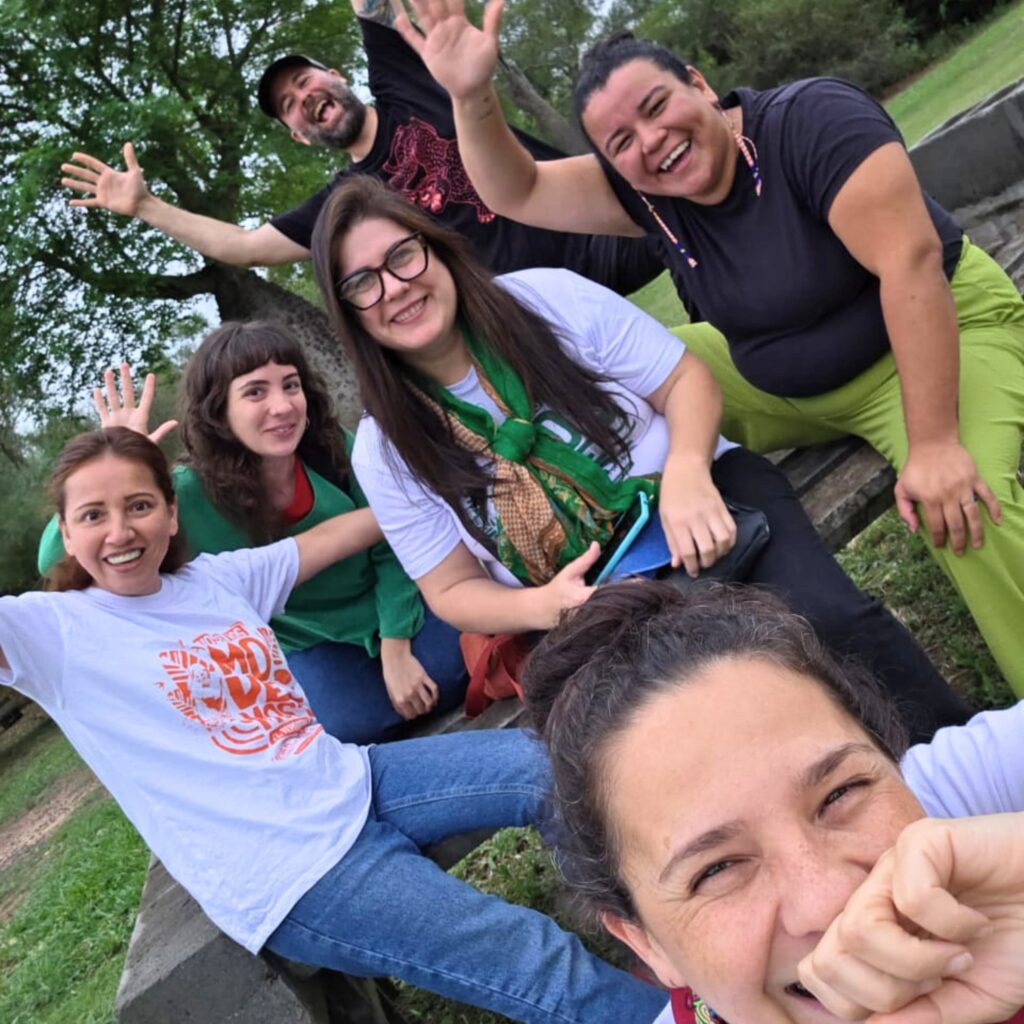
The experience at the Tri-National Meeting was doubly enriching for me! As part of the Journalism Foundation, I had the valuable opportunity to share the experiences and needs of the women of the Chaco directly with the leadership.
Based on that goal, we see an excellent opportunity to work on concrete projects to strengthen women’s capacities. This means providing them with tools for more assertive communication, giving them the skills they need to tell their own stories, defend their projects, and amplify their voices in every action.
I feel that this meeting in Filadelfia planted the perfect seed. The next step is to seek solid collaboration and present strategic projects with other institutions. This will significantly strengthen women’s leadership and advocacy!
From the Journalism Foundation (Fundación para el Periodismo), we extend our deepest gratitude to Voices for Just Climate Action and SouthSouthNorth for inviting us to be part of this momentous gathering. We greatly appreciate the opportunity to participate in an event of this magnitude, held in the heart of the Gran Chaco Americano, and we reaffirm our commitment to the region.


