


Sowing Seeds of Change: Empowering Women through Peer-to-Peer Learning
What does a learning exchange visit mean to women, and what role does it play in empowering women to shape climate change narratives and solutions? Learn how Siaya Muungano Network are helping women not only improve their farming and natural resource management but also take part in shaping solutions to climate change through peer-to-peer learning exchanges.
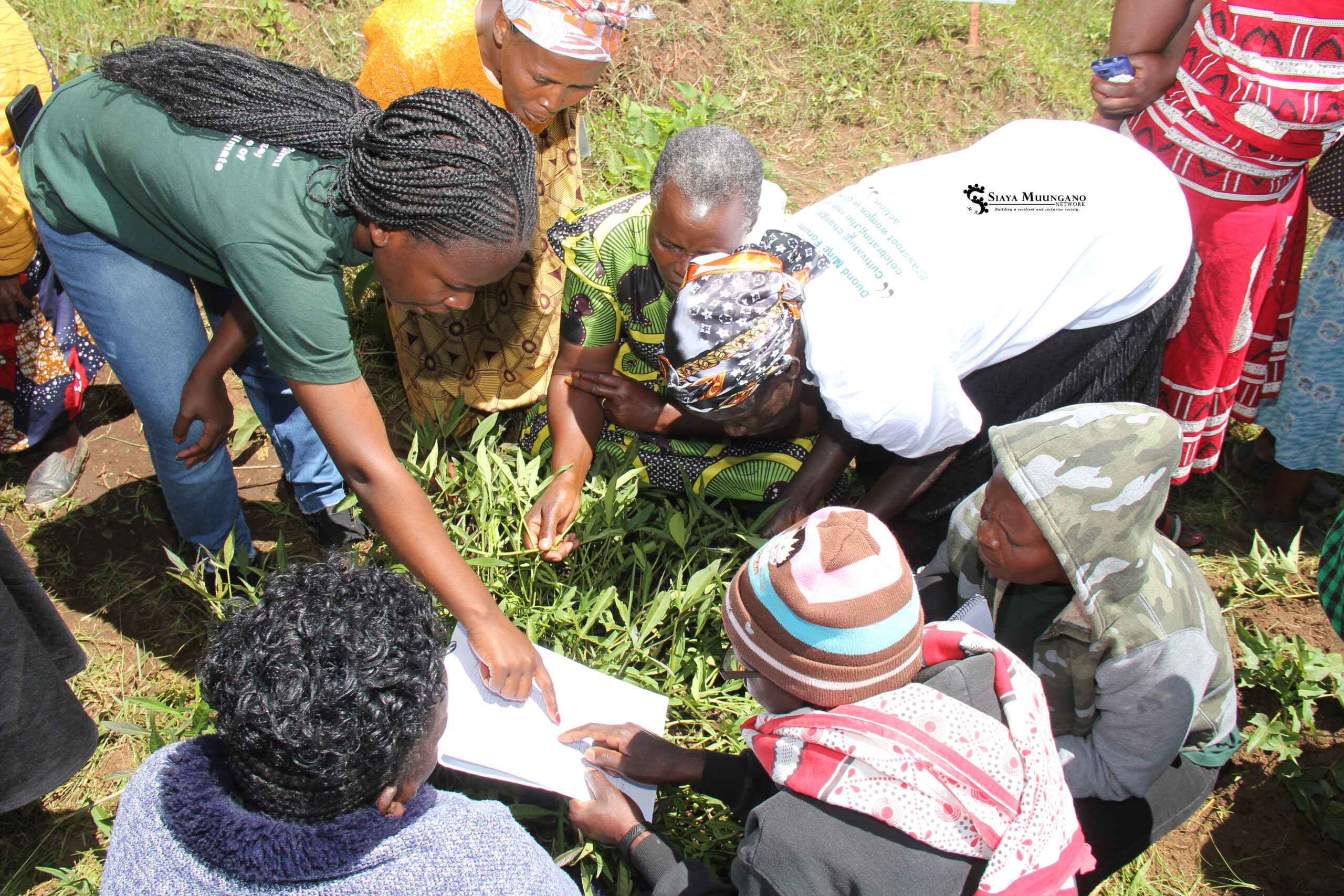 Learning exchange visits have played a significant role in empowering communities to learn various practical techniques that they can replicate in their homes. For women who often carry the burden of food production and family care, gaining control over how they farm means gaining control over their futures. They come back from these visits not just as farmers, but as climate champions ready to shape new narratives and inspire change. As climate change continues to affect rainfall patterns, food systems, and soil health, agroecological practices offer real, community-driven solutions, and when women lead these solutions, the entire community benefits from improved food sovereignty to stronger grassroots advocacy.
Siaya Muungano Network (SIMUN) understands the power of these visits. That is why, under its project Women Voices in Climate Action under the Voices for Just Climate Action programme, they have supported 45 women from the grassroots to attend two learning exchange visits in Nakuru and Kisumu. The goal was simple: to help women gain the knowledge and tools they need to respond to the climate crisis in their communities.

During these visits, the women learned about different agroecological practices, including farming methods that work with nature, not against it. They also learned about seed banking, which helps preserve local seeds for future planting, and the value of indigenous knowledge, which many communities have used for generations to cope with changes in the environment.
These practical lessons are helping women not only improve their farming and natural resource management but also take part in shaping solutions to climate change. By learning from others and seeing what works, the women return home with new ideas and the courage to act.
The exchange visit wasn’t just about seeing new farms; it was about shifting mindsets. The women learned that:
- You don’t need a lot of land to grow food; vertical gardens save space.
- Waste isn’t waste – old bottles, clothes, and gourds can be reused in farming.
- Organic inputs work – homemade bio-pesticides and fertilisers are safer and cheaper.
- Every seed matters – storing and testing local seeds builds food independence.
- Working together strengthens impact – learning as a group made everything easier and more exciting.
By the end of the visit, each woman made a personal commitment to apply at least one practice in her community. Many left determined to start seed banks, introduce new crops, and train others on what they had learned. The success of this exchange visit showed that peer-to-peer learning works and therefore SIMUN is committed to continue supporting local learning forums, enabling women to share knowledge within their communities, facilitate more exchange learning for grassroots women to broaden their exposure on agroecological practices, monitoring how women implement what they have learned during exchange visits to document stories of change and innovations, and building a joint advocacy platform to champion gender responsive agricultural policies that reflect realities and indigenous knowledge of women farmers on the frontline of climate action.


