Reflecting on 5 years of the VCA Programme
Over four days in August, we celebrated our successes and acknowledged the challenges, recognising that our efforts to amplify voices have laid the foundation for a lasting movement.
September 10, 2025
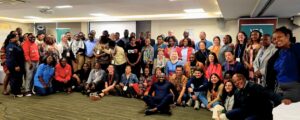
As the Voices for Just Climate Action (VCA) programme concludes its five-year journey, partners from across the globe gathered for a four-day event in Nairobi, Kenya (hosted by SDI Kenya) to reflect on our collective achievements and think of ways to create a sustainable path for the future.
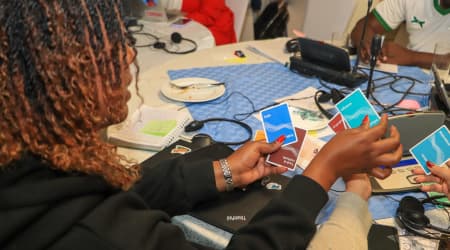
Day 1: Regional reflections and World Café
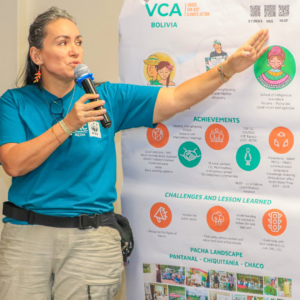
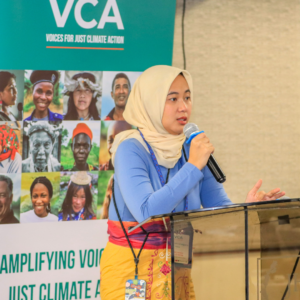
The first day was dedicated to a “World Café” format, where regional partners shared their reflections on the journey. Across diverse contexts, the work revealed how climate justice is not only about projects or policies, but about profound shifts in power, access and voice.
In Bolivia, partners successfully advocated for a new water law, the first update since 1906, by ensuring local voices were heard, demonstrating that actual progress begins with listening.
Paraguay showed how access, whether to the internet, information or land, empowers communities. By creating internet centres in remote areas and resolving land disputes for Indigenous groups, the work strengthened their ability to claim rights and build resilience.
In Brazil, a shared governance model distributed decision-making to all partners, a triumph of co-creation in the vast Amazon region. This approach, guided by empathy and courage, directly supported smaller organisations and facilitated the record-breaking participation of Indigenous people at COP28.

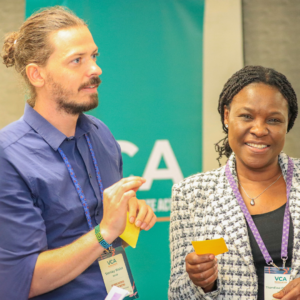
Zambia redefined ownership in climate action. By empowering youth to design and lead community projects and use “alternative storytelling” to influence policy, the work proved that when people drive their own solutions, those solutions endure and expand.
In Tunisia, partners created a National Water Committee that brings together diverse stakeholders to shape water strategy, highlighting the importance of inclusive governance. The establishment of local seed banks also helped small farmers protect food systems and reclaim agency over production.
In Indonesia, a broad alliance of CSOs and CBOs demonstrated how a nationwide effort can drive change, from recognising local solutions in villages to advocating for customary land rights at the national level.
Day 2: Thematic group reflections
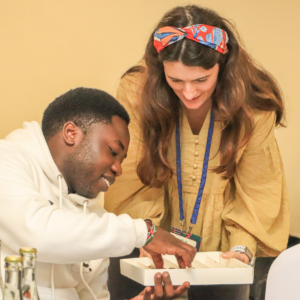
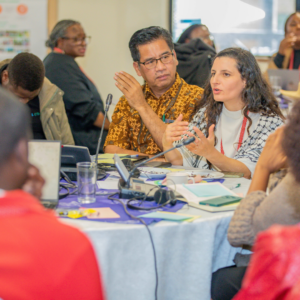
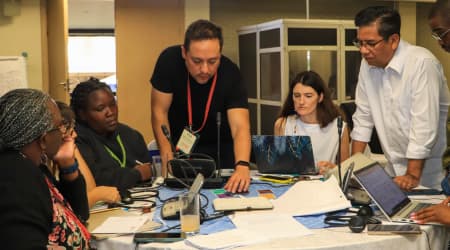
On the second day, we delved deeper into four key thematic areas, reflecting on the lessons learned and future opportunities.
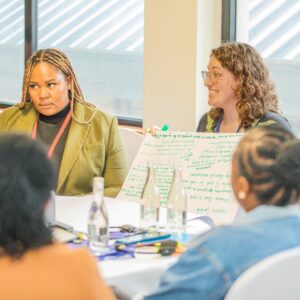
The discussions underscored a collective reimagining of how funding, power, and partnerships can be structured to genuinely serve communities. A clear theme was the move away from rigid, one-size-fits-all approaches toward models that recognise and nurture different capacities, creating pathways for growth and empowerment over time. We spoke about the importance of holding agency at the local level, reminding us that collaboration should be about support rather than direction, and that the burden of donor compliance often risks overshadowing the real work happening on the ground.
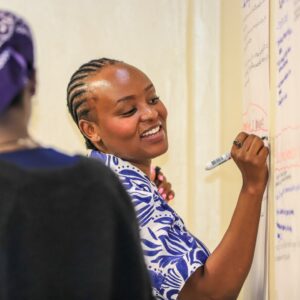
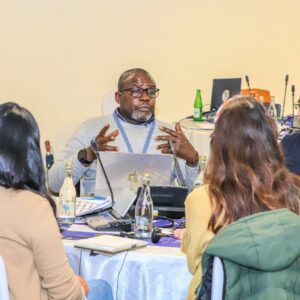
What emerged was also a celebration of connection and new bonds forged between urban and rural organisations, unexpected partnerships with government actors, and the recognition that, despite contextual differences, vulnerabilities and aspirations are often shared. The Next Level Grant Facility (NLGF) stood out as a catalyst for change, not only by making resources directly accessible to groups historically excluded from traditional funding, but also by unlocking their ability to mobilise further support. The openness and flexibility of this mechanism offered tangible proof that community-led solutions are not just possible but credible, scalable, and transformative.
Day 3: From theory to practice – Field visits
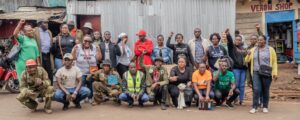
The third day was a powerful journey from the conference room to the heart of our work. We embarked on field visits to projects in Nairobi City and Naivasha, gaining a firsthand appreciation for locally led climate adaptations.
Nairobi: Resilience in Informal Settlements
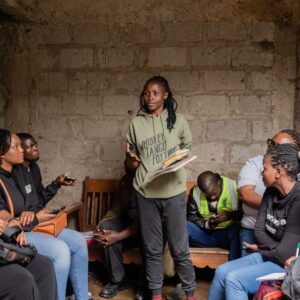
The work in Nairobi showed how climate action can be a catalyst for safety, inclusion and creativity in urban communities. In Korogocho, young people transformed a neglected dumpsite into a green park, which created a safe space for children and fostered urban farming and environmental education. In Kibera, a circular economy model turned waste into resources, creating dignified work and proving that small grants can lead to significant, community-driven growth. Through art, music, and performance, the program also showed how climate messages can be translated into powerful and relatable stories, reaching both hearts and minds. These experiences demonstrate that resilience is built not just through infrastructure, but through the creativity and courage of communities to reimagine their own futures.
Naivasha: Safeguarding Nature and Livelihoods
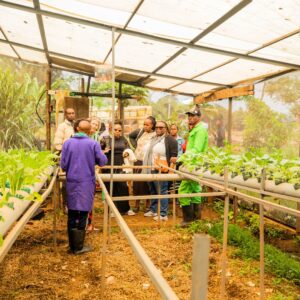
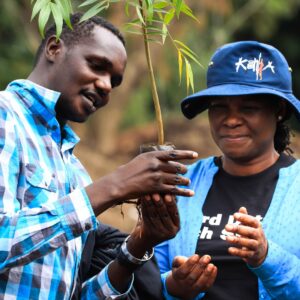
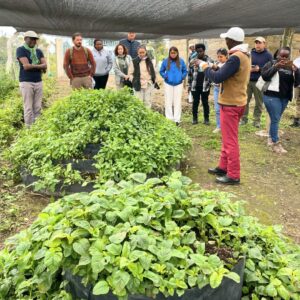
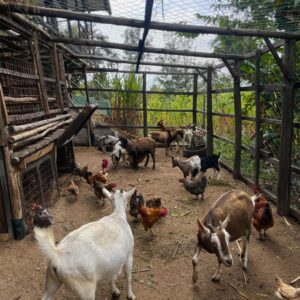
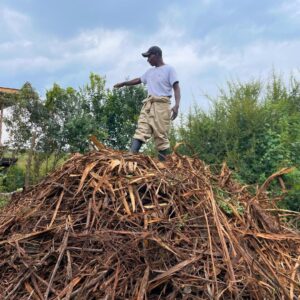
In Naivasha, communities are advancing resilience through practical solutions and knowledge sharing. In Biashara Ward, residents addressed a water shortage by extending a pipeline from a borehole, a project that now provides water security to hundreds of households and supports local businesses. Their efforts also included tree nurseries and climate-smart farming, showing the importance of holistic approaches that meet immediate needs while building long-term resilience. At the Gathengera Permaculture Centre, farmers and youth learned about agroforestry and sustainable farming methods through hands-on demonstration and peer-to-peer exchange. This approach not only equipped them with technical skills but also gave them the confidence to champion their own solutions. Together, these experiences highlighted the central role of community-driven innovation in addressing vulnerabilities and building resilience from the ground up.
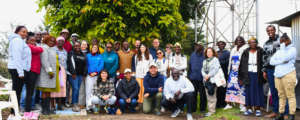
Day 4: Closing Reflections
The final day brought a moment of reflection on the programme’s legacy. The true impact of VCA will live on through the organisations and the broader ecosystem of movements it helped build.
Our experiences demonstrate how meaningful climate action emerges not from isolated interventions, but from dignifying lives, creating space for new voices, and building solidarity across movements. The most lasting outcomes are not just legal reforms, media initiatives, or adaptation projects, but the strengthened capacity of communities to imagine and claim more just and resilient futures.
“The answers in terms of what is going to happen next sit with what we’ve done (…), and what we’re doing today”.