


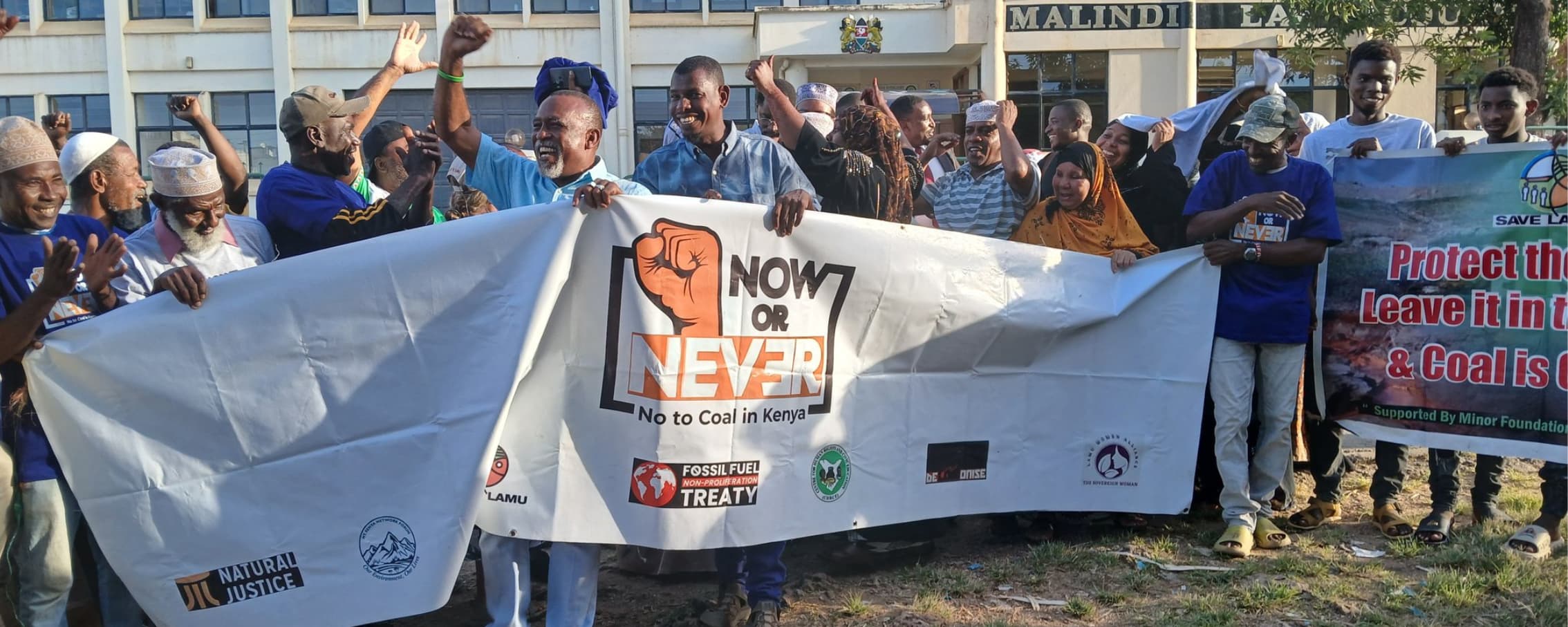
LAMU CELEBRATES HISTORIC VICTORY AS COURT BLOCKS THE COAL POWER PLANT PROJECT
On October 16, 2025, the people of Lamu celebrated a landmark victory after the Environment and Land Court in Malindi upheld the cancellation of the proposed 1,050 MW coal power plant in Kwasasi- Lamu. The court’s decision reaffirmed that the project violated environmental laws and the constitutional right of Kenyans to a clean and healthy environment under Articles 42 and 69.
November 7, 2025
This ruling brought joy and relief to residents of Lamu who had tirelessly stood against the coal project for years. For Lamu Women Alliance (LAWA), this was not just a win in court; it was a victory for environmental justice, women’s empowerment, and the protection of future generations.
It all began when community members, through Save Lamu, learned of plans by Amu Power Company to construct a coal power plant along Lamu’s coastline. The project posed a serious threat to the county’s biodiversity, marine ecosystems, and cultural heritage, while endangering livelihoods dependent on fishing, farming, and tourism. What started as a few concerned voices soon grew into a unified movement, one that refused to let industrial development destroy biodiversity, the community’s heritage and the future.

After receiving support from the Voices for Just Climate Action (VCA) programme under the Women Inclusion in Climate Justice Project, Lamu Women Alliance (LAWA) joined the DeCOALonize movement, a national coalition of organisations advocating for a just and sustainable energy transition in Kenya. Other Partners under this movement include: Save Lamu, Natural Justice, Katiba Institute, Heinrich Böll Foundation, and 350 Africa, among others. Through collaboration, we stood firm in advocacy against coal in Lamu.
Through the VCA’s support on the Women’s Inclusion in Climate Justice Project, LAWA trained and sensitised local communities on the health and environmental risks of coal energy. This was achieved through training, community forums, and peaceful campaigns, in collaboration with Save Lamu, which spearheaded the legal fight against the coal appeal.
By focusing on women and youth empowerment, LAWA ensured that the people of Lamu understood the full implications of the project and could take informed action to defend their rights.
Our fight was never about saying no to development, it was about saying yes to the right kind of development,” said Raya Famau, Executive Director of Lamu Women Alliance. “We knew coal would destroy our land, our sea, and our health. As women, we felt compelled to act because we are the first to suffer when the environment is harmed.”
Throughout the court proceedings, LAWA remained active and present, with the executive director representing LAWA by attending hearings, offering moral support to communities, and contributing to documentaries produced by Save Lamu that captured the journey of resistance.
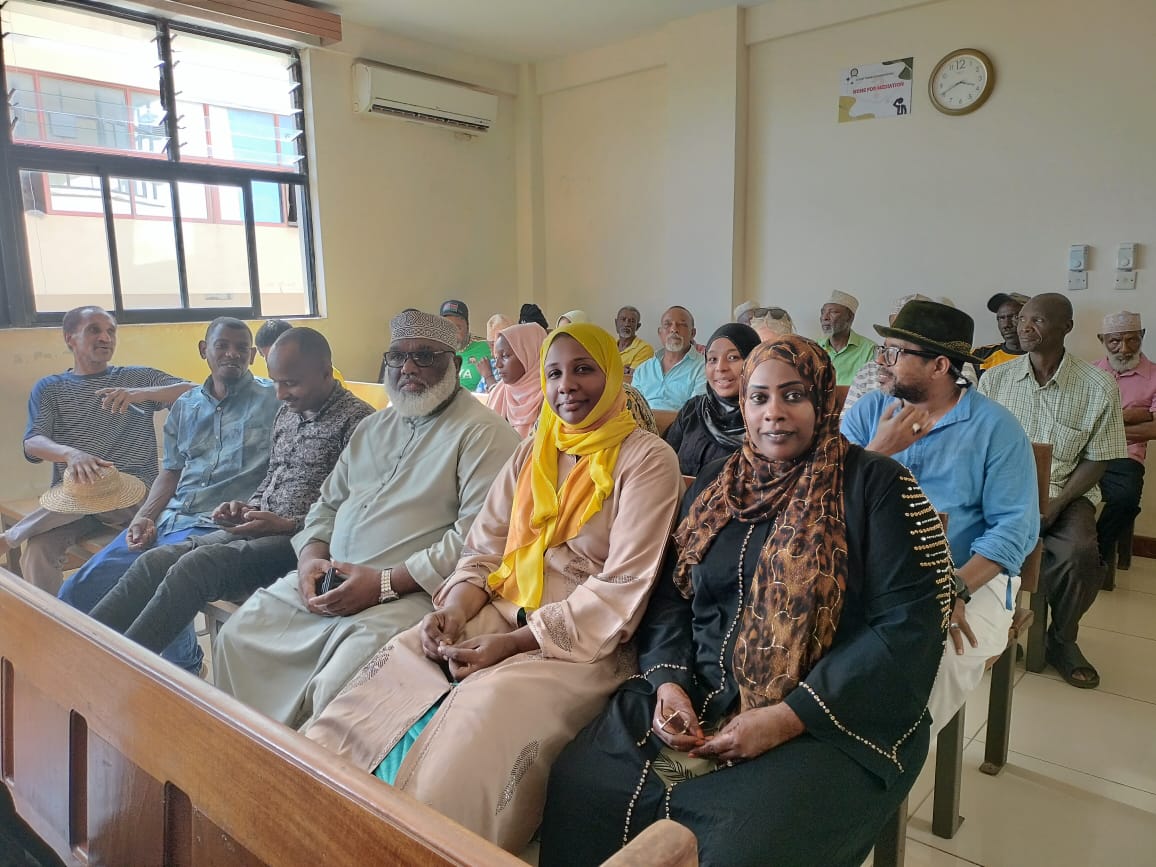
The victory was more than a legal win; it was a reflection of collective resilience and grassroots power. It proved that communities can challenge powerful interests and succeed when guided by unity, information, and courage.
For women, this victory was deeply personal. They had long feared the potential health impacts of coal pollution on their families, the contamination of water sources, and the loss of livelihoods tied to nature.
“This ruling is a relief for every woman in Lamu,” said Raya Famau. “It means cleaner air for our children, safer water for our families, and renewed hope for our livelihoods. It has also reminded us that when women rise and speak with one voice, change truly happens.”
Now that the coal project has been permanently dismissed, Lamu Women Alliance envisions a sustainable, inclusive, and equitable future for the county. In the coming years, LAWA aims to continue advancing climate justice through advocacy for renewable and clean energy solutions, capacity strengthening for women and youth in climate governance, and engagement in policy dialogue to influence national frameworks that protect the environment and promote gender-responsive climate action.
This victory has strengthened LAWA’s resolve to ensure that Lamu’s development remains community-driven, sustainable, and just. It stands as an example of the power of collective voices in shaping Kenya’s environmental future. It demonstrated that public participation is not symbolic but a must, as it is a constitutional right that determines the course of national policy.
The victory offers hope to other communities facing similar struggles. It shows that, through solidarity, persistence, and courage, ordinary citizens — especially women — can influence decisions that shape a nation’s destiny.


